
Types of Real Estate in Australia and Their Differences
Town planner and Consulting Planning Manager Aaron Sweet says there are 10 different building types under the Building Code of Australia, but definitions of housing vary from state to state and council to council.
“We are a nation of colonies and each colony has its own system of land ownership,” Sweet said.
This means you may need to check with your local council or town planner to understand what you are buying or what you are allowed to develop in your area.
“The planning system is complex and constantly evolving,” says Sweet. “An experienced town planner can sniff things out very quickly and can provide an investor, buyer or developer with a wealth of information about what applies to any given site.”
Here are some of our most popular house styles and how they differ
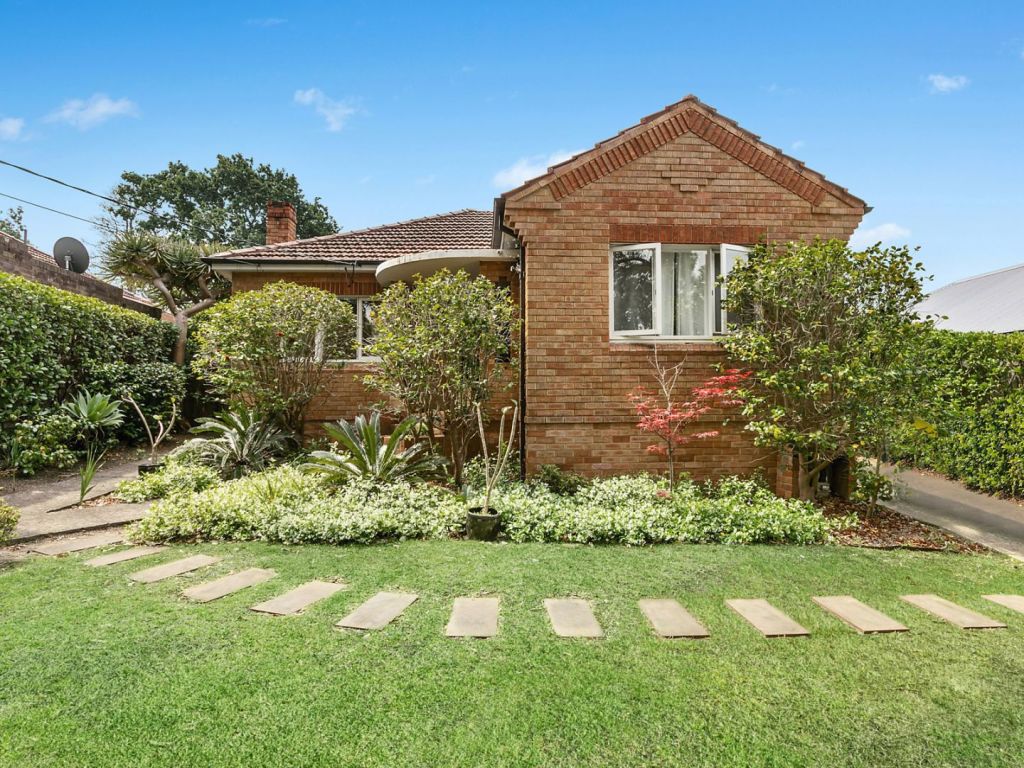
1. Bi Housebad Lap
Once a mainstay of the Australian property market, detached homes are independent homes and the buyer owns the land and any form of building within its boundaries.
These single, detached homes can be “small or traditional lots” and may include a secondary home and a den on the same lot, Sweet said.
Land sizes vary widely, often decreasing from suburbs to suburban edges.
Considered the most flexible type of house, a freestanding house can be knocked down, renovated or extended as long as it complies with council regulations.
They are a popular choice among families with young children as they often have more room and garden space for play. But they are generally the most expensive type of home and the cost of land, insurance, utilities and related maintenance can be high.
Most lenders are willing to finance a home like this, and historically, this type of real estate has appreciated faster than medium- and high-density housing.
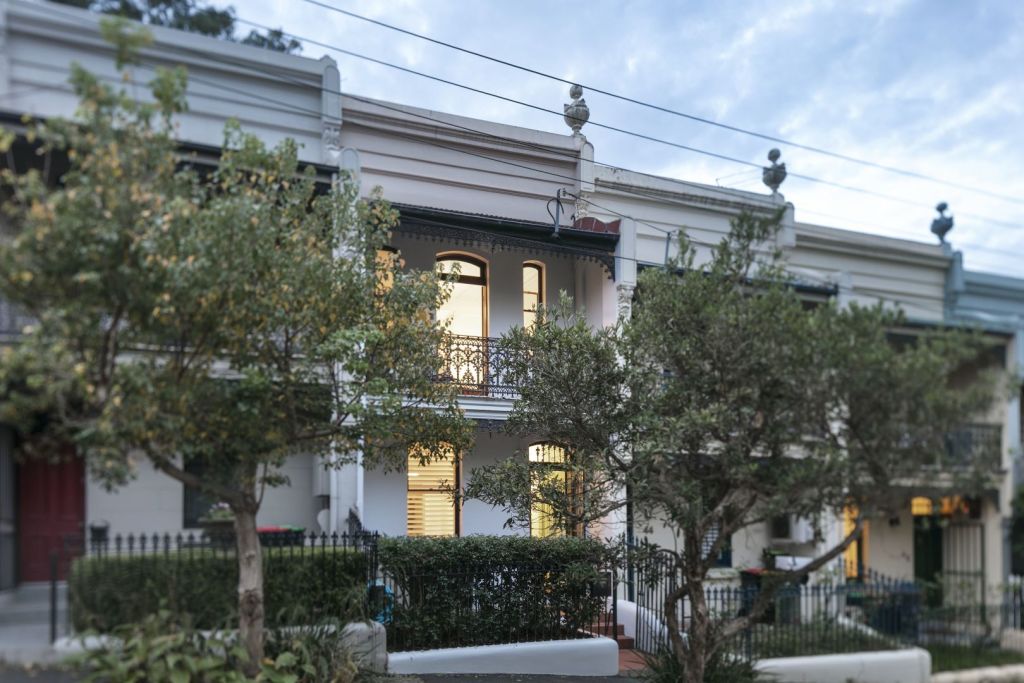
2. Terrace House
Commonly found in inner cities, terrace houses proliferated in the late 1800s and early 1900s before falling out of favor in the mid-1900s. Back in fashion today because of their relative affordability and their promise of low-maintenance living with amenities, old terraces are being renovated and new-style terraces are increasingly making their way into master-planned communities.
Height ranges from one story to four stories, often with two to four bedrooms, and gardens or front and back yards, terraces are sometimes free-standing but often share side walls.
Older terraces tend to come with Torrens Title, which means you own the land on which the property sits, while newer developments may have the ability to stratify, especially if they have access to shared facilities.
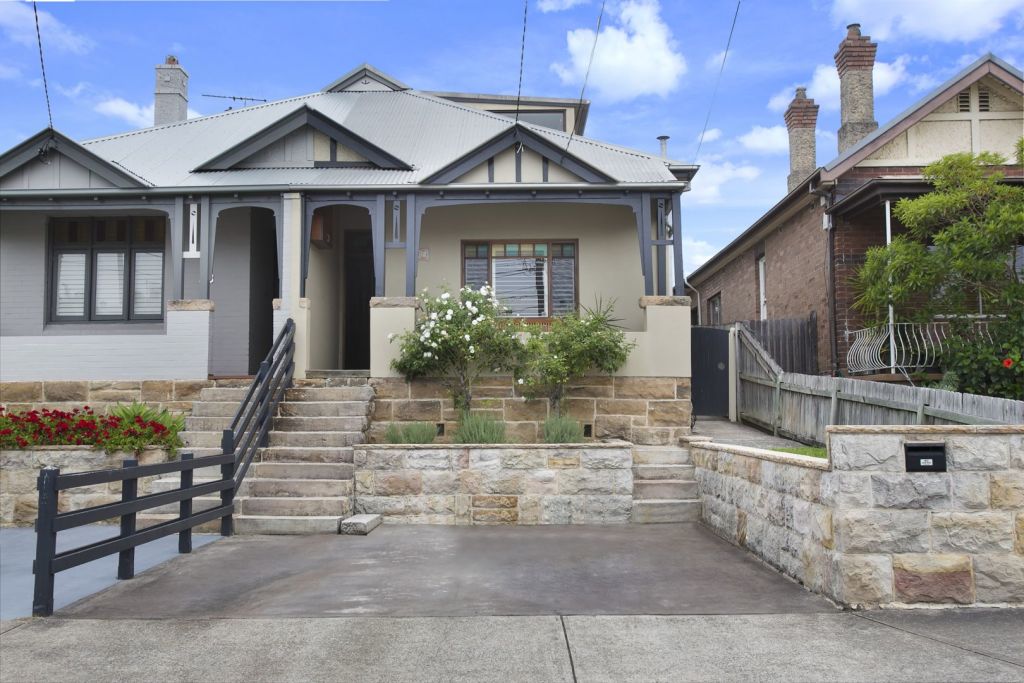
3. Duplex House
A single house that shares a wall with the house next door, the duplex was once the poor cousin of the detached house. These days, duplexes are often a more affordable option for buyers with smaller square footage and backyards that can double as off-street parking.
Popular in the years before and after Confederation, many duplexes were updated to extend the retention period.
Offering more privacy than an apartment or townhouse but with less maintenance than a house, duplexes can be found in some of Australia’s best suburbs at affordable prices.
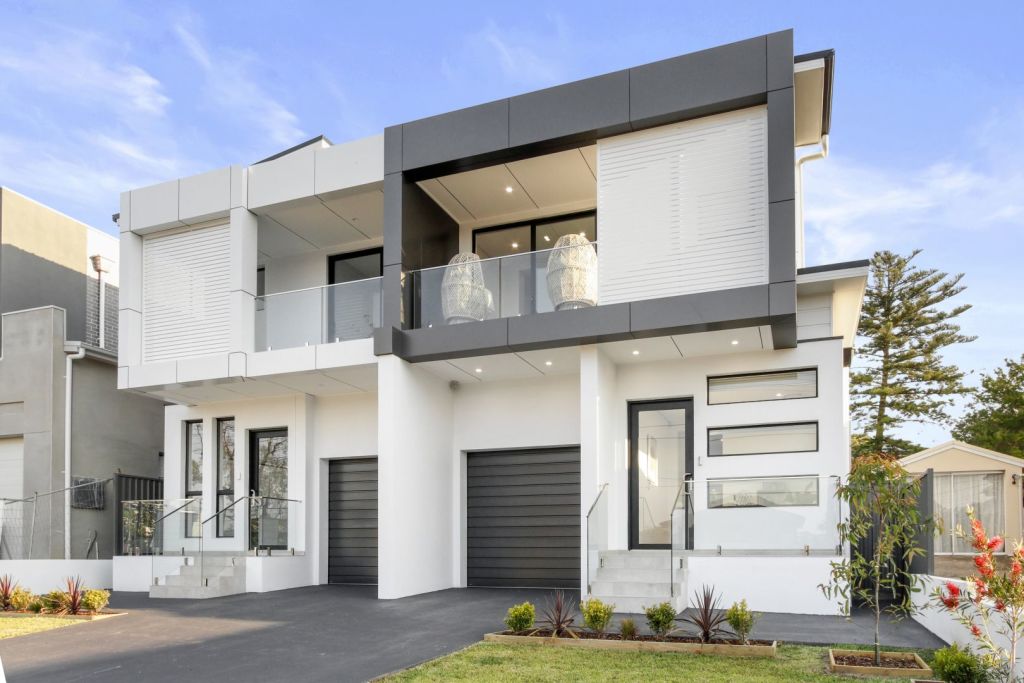
4. Twin House
“From a town planner’s perspective, a double house is defined as a self-contained dwelling,” he said.
They can be in one book or two separate books, allowing each house to be owned and sold separately. Double homes often require a buildings insurance policy that covers both homes.
Because they require less land than two single houses, duplexes are a popular investment vehicle, providing the same rental income as two single houses, but at a lower land cost.
There’s only one neighbor to consult when planning changes and usually a decent backyard for pets to enjoy.
5. Town House
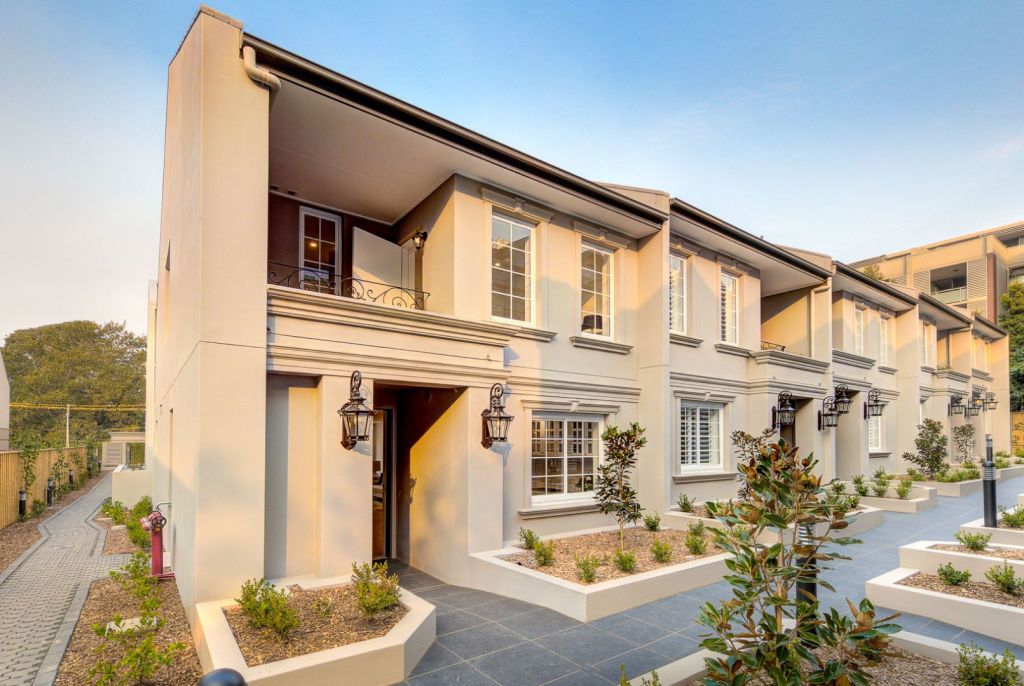
A townhouse is a self-contained property, sometimes attached and sometimes freestanding, within a complex of three or more houses. The buyer owns the home but shares ownership of the land and common property with other owners in the complex.
They often have a patio for outdoor dining and a garage or carport for parking.
Most have stratified deeds, which means the buyer must pay annual fees to a body corporate responsible for common property maintenance, insurance and compliance issues.
But in Brisbane, a new hybrid model offering freestanding townhouses is gaining ground.
Sweet said under the 2014 City Plan, Brisbane City Council would generally support subdivisions below the usual minimum lot size for which they approved the building form for development.
In practical terms, this means buyers can buy a freehold townhouse and avoid the fees associated with body corporate.
“In some cases, common areas such as shared entrances may need to be covered with easements,” says Sweet. “In other cases, these may form common property with access areas subject only to a common corporation, a type of hybrid scenario.”
6. Villa
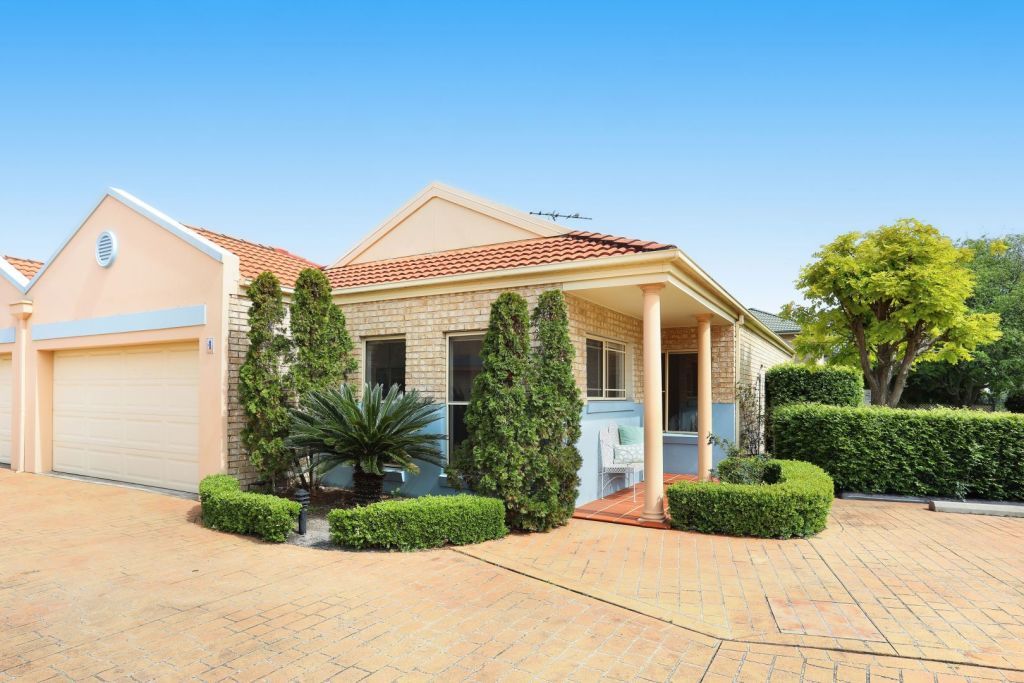
In some states, including Queensland, the terms townhouse and villa are interchangeable, but in others, such as Victoria and NSW, a villa is often considered a type of housing in its own right, defined as a small, single-level house typically with a garage and private yard within a small housing complex.
In some states, the term villa is also applied to vacation rentals grouped on private property.
Like townhouses, they often have a strata title meaning owners need to pay corporation fees, but some newer villa developments come with Torrens Title.
Related articles


Treasurer Jim Chalmers officially announced the 2026 Australian Federal Budget, focusing on reforming the tax system and enhancing national security in the context of inflation and global geopolitical turmoil. Housing Policy Reform The government focuses on addressing the housing and tax system to support the younger generation (Millennials and Gen Z) through systemic changes. From […]

The Federal Government has officially announced its 2026-2027 budget, with reforms to Australia’s real estate, tax system and increased housing supply aimed at helping more Australians own their homes. Support home ownership and increase supply Australian property tax reform: Change regulations on negative gearing and capital gains tax (CGT) incentives. The changes are estimated to […]

The birth of the Metro West line is not simply a transportation solution; it is symbolic of Sydney’s transformation into a connected megacity. With a record investment of up to 27.3 billion Australian dollars, the project promises to unlock the potential for tens of thousands of luxury apartments, turning areas along the route into the […]